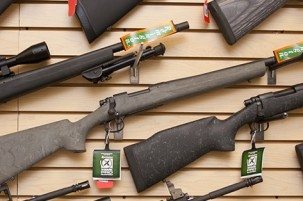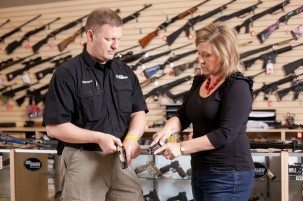
Shotguns provide a very different training experience compared to pistols. The platform demands more from your stance, shoulder placement, and overall body positioning. Because recoil impulse is distributed differently, proper fit and mounting technique have a direct impact on comfort and control. When those elements are dialed in, shotgun training feels stable and predictable. When they’re not, fatigue and inconsistency show up quickly.
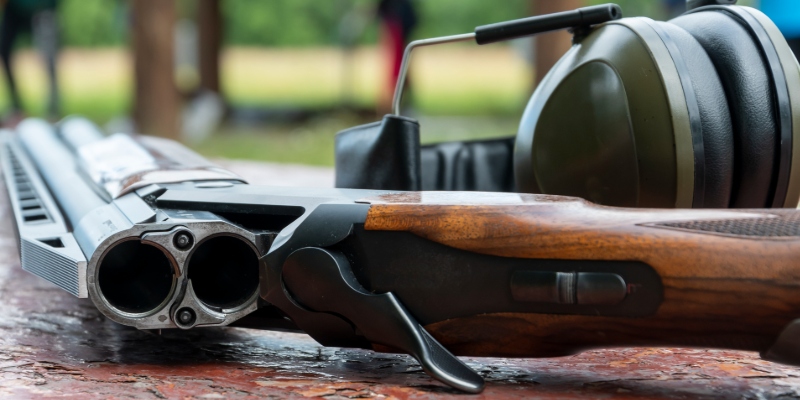
Preparation plays a major role in how productive your session will be. Unlike handgun work, where grip dominates control, shotgun performance is closely tied to how the stock interfaces with your shoulder and cheek. Taking a few moments to evaluate the setup before stepping onto the line can prevent discomfort and improve consistency. Before you begin, consider these key areas:
- Consistent Shoulder Mount. A repeatable mount reduces unnecessary movement and distributes recoil more evenly for shotguns. Proper positioning keeps the stock firmly seated in the shoulder pocket, minimizing strain and improving follow-up control.
- Load Awareness. Different shell loads vary in recoil impulse and performance. Understanding what you’re shooting helps set realistic expectations for control and recovery.
- Fit Evaluation. Stock length, comb height, and alignment influence how naturally the shotgun points. A poor fit can lead to awkward posture or an inconsistent cheek weld.
- Stance and Balance. Stable footing and slight forward weight distribution support smoother recoil management for shotguns.
If something feels off, speak up. Small adjustments often make a noticeable difference. At ProShots, we’ll help you evaluate fit, positioning, and technique so your shotgun training remains safe, controlled, and structured for steady improvement.