A smoother trigger can absolutely change how a firearm feels in your hands, but trigger kit installation isn’t automatically the right move for everyone. The ideal setup depends on what you’re shooting, how often you train, and what kind of consistency you’re trying to build. A lighter or cleaner break can improve control, but only if it aligns with safe handling and your intended use.
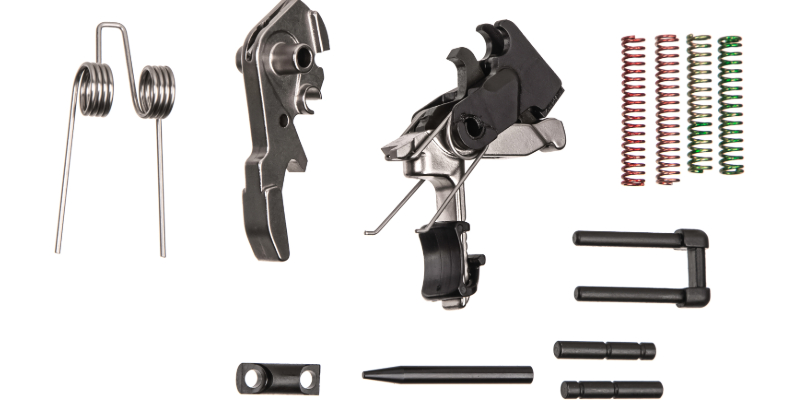
Before moving forward with trigger kit installation, it’s important to clarify your goal. The purpose of the upgrade should guide part selection. A good trigger kit installation enhances predictability and control. It shouldn’t introduce instability or compromise reliability.
As we evaluate whether trigger kit installation makes sense, we look at several factors:
- Purpose and Use Case. A competition-style trigger feel may not be appropriate for defensive training or general range use. We match trigger kit installation to how you actually shoot, not just how something feels on a demo firearm.
- Safety and Function Checks. Every trigger kit installation includes thorough function testing. We verify proper reset, sear engagement, and consistent operation to confirm the firearm remains safe and dependable.
- Training Alignment. Trigger kit installation should be based on solid fundamentals. We discuss how the new trigger feel may influence press control, follow-through, recoil management, and consistency under repetition.
- Component Compatibility. Not every kit pairs perfectly with every platform. Trigger kit installation includes reviewing internal tolerances and wear patterns to avoid stacking issues or unnecessary stress on parts.
At ProShots, we approach trigger kit installation with careful testing, realistic expectations, and practical guidance so you leave confident in both performance and safety.