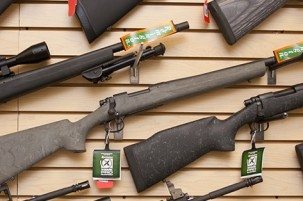
A loose, cracked, or ill-fitting stock doesn’t just look bad. It can affect comfort, consistency, and your confidence in handling your firearm. If you’ve noticed a wobble, a new creak, or a change in how it shoulders, it might be time to consider stock repair before the issue spreads or worsens.
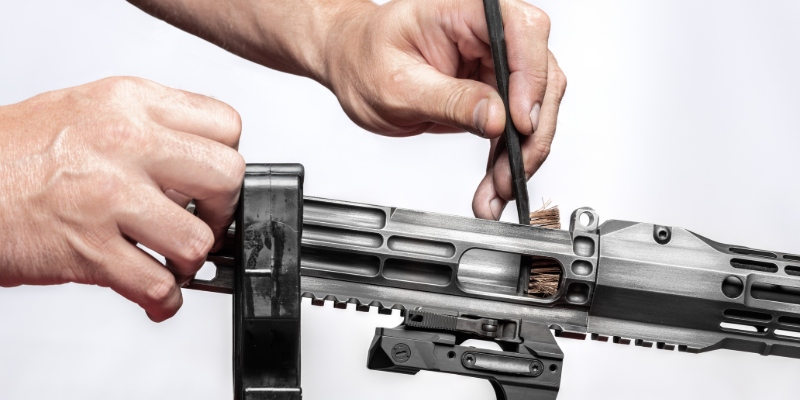
A stable stock provides better control and a more repeatable shooting experience, especially for newer shooters still building good habits. Before you decide what to do next, here are a few practical things we’ll evaluate during stock repair:
- Fit and Stability Checks. We look for movement at connection points and signs of shifting that can change how the firearm feels shot to shot, paying close attention to hardware tightness, inletting precision, and any subtle looseness that could affect consistency and recoil control.
- Crack and Stress Review. We inspect common stress areas to determine whether the stock needs reinforcement, repair, or replacement parts, carefully evaluating hairline fractures, compression points, and recoil lug areas that often absorb repeated impact over time.
- Comfort and Handling Assessment. We consider how the stock sits against your shoulder and cheek so you’re not compensating with an awkward posture, and we also review the length of pull, comb height, and grip angle to ensure natural alignment and repeatable sight positioning.
If you’re a member and you’re noticing the stock doesn’t feel the way it used to, addressing stock repair early can prevent bigger problems later. It also helps you stay focused on safe handling and consistent fundamentals rather than fighting the equipment.
At ProShots, we help you approach stock repair with safety, function, and long-term reliability in mind.