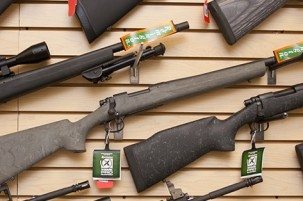
When something feels off during operation, it’s tempting to ignore it until it becomes obvious. But timing issues often show up as subtle patterns first: inconsistent cycling, unusual feel, or performance that changes depending on your ammunition.
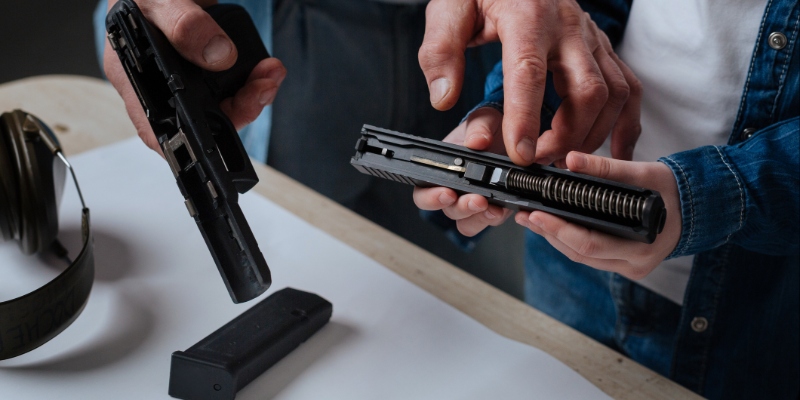
Timing issues can be frustrating because they don’t always look dramatic. They can show up as intermittent problems that are hard to replicate. Documenting what you’re experiencing matters. If you can tell us when it happens, how often, and what ammo you were using, we can narrow things down faster.
Here are a few ways we approach diagnosing timing issues:
- Pattern-Based Troubleshooting. We analyze repeatable conditions, such as specific loads, magazine behavior, round count, lubrication levels, and temperature-related changes, to determine whether the issue follows a consistent pattern rather than a random malfunction.
- Component Interaction Review. Timing issues often stem from how internal parts interact under recoil. We evaluate spring tension, slide velocity, extractor engagement, and wear surfaces to see whether tolerances have shifted or components are cycling out of sequence.
- Function and Safety Evaluation. Before recommending adjustments, we confirm the firearm is operating safely and consistently. We test overall reliability to ensure any solution supports dependable performance rather than masking a deeper concern.
If you’re practicing regularly, you’re more likely to notice small changes early. Awareness helps prevent minor timing issues from accelerating wear or creating reliability concerns. At ProShots, we work through timing issues methodically, prioritizing safe operation, mechanical clarity, and dependable performance so you can stay focused on training rather than troubleshooting.